ARCHIVED WRITING
How Not to Get More Lost
Why sequence matters when fear arrives before reason
Free to read
-----/////-----
Nobody survives by knowing the most dramatic fact in the room. They survive by knowing what comes first.
That is true when a ship folds itself into the dark and leaves you in black water with salt in your mouth. It is true when a plane drops out of the sky and your ears are still ringing in the treeline. It is true when you realize the jungle has no interest in your confidence, only your judgment. It is true in a whiteout, where the world does not look violent at all, just erased.
And it is true in a panic attack.
I have learned that survival is rarely about courage in the way people like to package it. It is rarely cinematic. It is rarely noble. It is usually procedural. It is order under pressure. It is refusing to let fear appoint itself navigator just because it showed up first and raised its voice.
I know enough about panic to say that plainly.
And I also know something else that matters to me.
I am the kind of man people pass on the street and quietly file into the category of lucky. Strong enough. Fine enough. Built enough. Safe enough. The sort of person people assume is moving through life with fewer internal negotiations than they are. I do not say that for sympathy. I say it because it taught me how often suffering gets misfiled by appearance.
Because of what I look like and how I sound, I never felt especially comfortable being visibly not okay. There is a strange silence that can settle over men who seem like they should be impervious. People do not always say it out loud, but you can feel the assumption humming under the floorboards. He is probably fine. He looks fine. He does not seem like the type. As if panic checks your jawline before it enters the room. As if trauma cares how broad your shoulders are.
It does not.
And I have come to wish more people felt comfortable turning to me and saying the simple, brave, deeply human thing:
I think I am about to have a panic attack.
Not because I enjoy the subject. Not because I think pain is noble. Because I know how much unnecessary loneliness is created by people trying to look intact while their nervous system is setting off flares from the roof.
That is part of the world I want to help build. Not a softer world. A truer one. A world where strength is not measured by how convincingly you hide your distress, but by how honestly you can move through it without surrendering your humanity. A world where vulnerability is not treated like a collapse in rank, but like a signal fire lit by someone decent enough to show others where the shoreline is.
Because that is what survival really is. Not invincibility. Not performance. Not the absence of fear.
Sequence.
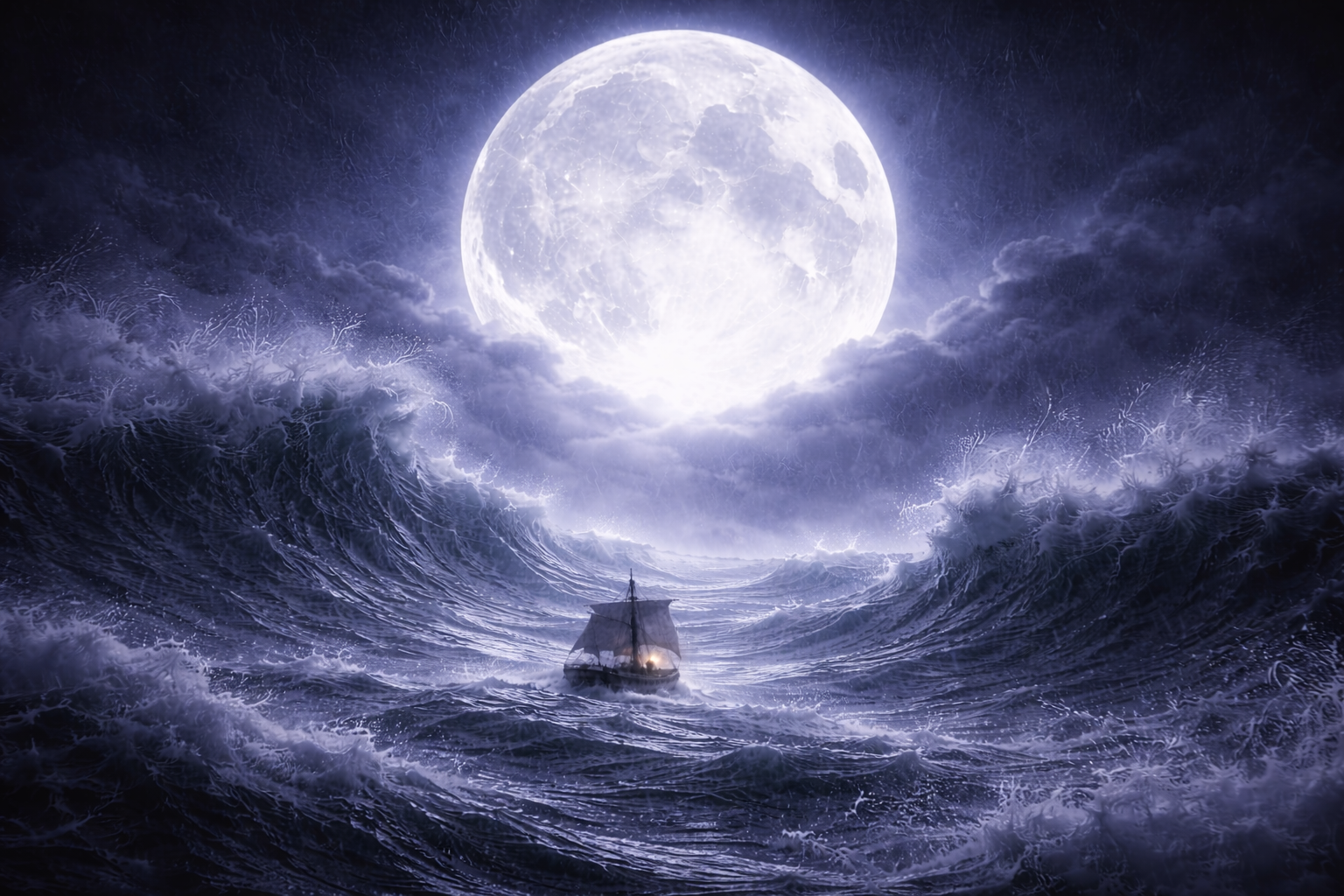
If you are shipwrecked, your first problem is not philosophy. It is not whether the ocean is fair. It is not whether you deserved calmer water. Your first problem is that panic will make you burn the very energy you need to stay afloat.
If you are lost in the jungle, your first problem is not heroism. It is direction. Movement feels productive right until you realize you have been walking deeper into your own disappearance.
If a plane has gone down in a forest, shock will tempt you to leave the wreckage too early, to walk away from materials, shelter, and resources because your body mistakes motion for salvation.
If you are in a blizzard, the danger is not only the cold. It is the distortion. Exposure arrives with bad judgment in its pocket. The world thins out. Distance lies. Your instincts get slippery.
A panic attack obeys the same laws.
It is not the same setting. It is the same sequence.
The body goes loud. The mind starts forecasting disaster with the confidence of a liar who knows you are too frightened to fact-check him. Your heart pounds. Your chest gets your attention. Your breathing changes. Your thoughts rush toward the most dramatic conclusion available because fear loves a headline. Fear does not just want your attention. It wants creative control.
That is when most people make the first mistake.
They start trying to win an argument with the wave while they are still under it.
I do not do that anymore.
I orient.
That is step one, always. Before I try to feel better, I try to get less lost.
Where am I?
What is actually around me?
Can I sit down?
Can I get somewhere quieter?
Is there water nearby?
Do I need shade, air, space, less noise, fewer eyes?
What is my body doing, and what is my mind predicting?
Those are not the same question.
That distinction has saved me more than once.
In every survival scenario, orientation comes before solution. You do not sprint through the jungle because your fear is enthusiastic. You do not start swimming harder just because the ship went under. You look. You take inventory. You reduce the number of variables that can get a vote.
I have found that panic hates inventory.
Panic prefers prophecy.
It says this is the end.
It says this is different.
It says this time is the real one.
It says look how hard your heart is beating.
It says this is too much.
It says run.
But survival has a different tone of voice. Less dramatic. More useful.
Survival says: look around first.
That can be physical. Find the bathroom. Step outside. Sit on the floor. Lean against a wall. Put your hands under cold water. Splash your face. Get your neck cool. Hold a bottle of water. Give your body one honest signal that says I am not currently being chased by fire.
That can also be internal.
Name the terrain.
This is a surge.
This is fear with a microphone.
This is not pleasant.
This is not new.
This feels catastrophic.
Feeling catastrophic is not the same as being catastrophic.
That last distinction matters more than people realize.
I am not pretending panic is small. It is not small when you are inside it. It can be loud enough to make reality seem negotiable. But intensity and danger are not synonyms. A pounding heart is not automatically a dying heart. Racing thoughts are not prophecy. Adrenaline is not truth. Sometimes it is just adrenaline. Sometimes your body is firing a flare where no rescue aircraft is needed.
That is why I come back to measurement.
Not medical theater. Not me pretending to be a doctor. Just calibration.
What is my heart actually doing?
What is my breathing actually doing?
Am I upright and aware?
Have I felt this before?
What usually happens next?
Those questions are not glamorous, but neither is surviving a whiteout. You do not survive because the snow respected your feelings. You survive because you stopped handing authority to distortion.
Once I am oriented, I move to what every survival situation eventually demands anyway: water, shelter, food.
Not literally in the same way every time, but close enough to matter.
Water, in a panic attack, is regulation.
Cool your face. Cool your neck. Sip something. Slow the boil. Give your body something simple and physical to respond to. Panic loves abstraction. Water is wonderfully stupid. It does not care about your spiraling theory of doom. It just says: here, return to sensation.
Shelter is containment.
That does not mean hiding from life forever. It means reducing exposure while the wave passes through. Less stimulation. Less sound. Less performance. Less pretending. A bathroom stall. Your car. A shaded curb. A quiet hallway. The side of your bed. A patch of floor. Somewhere your nervous system is not outnumbered.
Food, in this context, is fuel and patience.
Not every attack requires a granola bar and a speech. But the principle still holds. Do not strip your body of what it needs and then act shocked when the machinery gets dramatic. Do not pour caffeine on panic and call it a personality. Do not ask an exhausted, underfed nervous system to behave like a monk in a monastery. Survival gets simpler when you stop sabotaging the equipment.
And somewhere in the middle of all this is the part people do not like hearing, but I have found it to be true:
Some things do not leave because you hate them enough.
Some things leave because you outlive their authority.
Trauma, panic, grief, old alarms, inherited weather, the internal habits built in rooms you have not stood in for years now, all of them seem stronger when your only goal is to never feel them again. They do not usually disappear because you forbid them from existing. They weaken because you learn their shape, survive them honestly, and gradually stop confusing recurrence with defeat.
That is one of the crueler lessons of being human.
It is also one of the more freeing ones.
Because once I understood that I was not failing every time fear returned, I stopped turning every bad internal storm into a referendum on my worth. Some storms revisit coastlines. That does not mean the coastline deserved it. It does not mean the land is weak. It means weather has patterns. Your job is not to take it personally every time the barometer drops. Your job is to know where the shelter is, how to read the sky, and when not to believe the first voice yelling that all is lost.
That shift changed a great deal for me.
It made me gentler without making me soft.
It made me more useful to others.
It made me want a world where more people can say what is happening before they are already deep underwater.
I do not want people to become more fragile. I want them to become more fluent. I want them to know that the name or shape of their trauma is less important than the fact that it will not vanish just because they are embarrassed by it. Silence does not cure old terror. Image does not digest pain.
— Looking capable has never once been the same thing as being free.
You do not heal by pretending you are not shipwrecked while swallowing seawater with a smile.
You do not heal by marching deeper into the jungle because standing still would make you look uncertain.
You do not heal by leaving the crash site just to prove you are brave.
And you do not heal by treating every panic attack like a moral failure.
You survive first.
Then, over time, you learn.
Then, over more time, you realize that what once felt like an incoming death was sometimes an old alarm with excellent timing and terrible judgment.
That is not a small realization.
That is a returned life.
So if you feel one coming, do not begin with drama.
Begin with sequence.
Take in your surroundings.
Orient yourself.
Find water.
Find shelter.
Reduce exposure.
Use what is real.
Let the body be loud without letting it become law.
And if you are with someone who tells you they think they are about to have a panic attack, be the kind of person who does not look surprised by their humanity. Be the kind of person who does not make them earn compassion through appearance. Help them orient. Help them reduce the noise. Help them find the shoreline again.
That, too, is survival.
Maybe that is even the best part of it.
Not that I made it through my own internal weather.
That I might help someone else get less lost inside theirs.
-----/////-----
End.
tc.forseti
Free to read here. Free access does not by itself release this work or its artwork for republication.